Transform Your Home with Ann Arbor top home remodeling contractor
Transform Your Home with Ann Arbor top home remodeling contractor
Blog Article
Home Renovation: Remake Your Space Into Your Perfect Home
Home renovation provides a straightforward method to enhancing both functionality and visual appeal in living spaces. It enables homeowners to personalize their spaces and potentially boost property value. However, achieving the desired results demands thorough planning and adherence to a budget. Comprehending design styles and choosing the right contractors are vital steps in this process. As homeowners begin this journey, they must consider what they truly wish to achieve. The path ahead holds several important factors to explore.
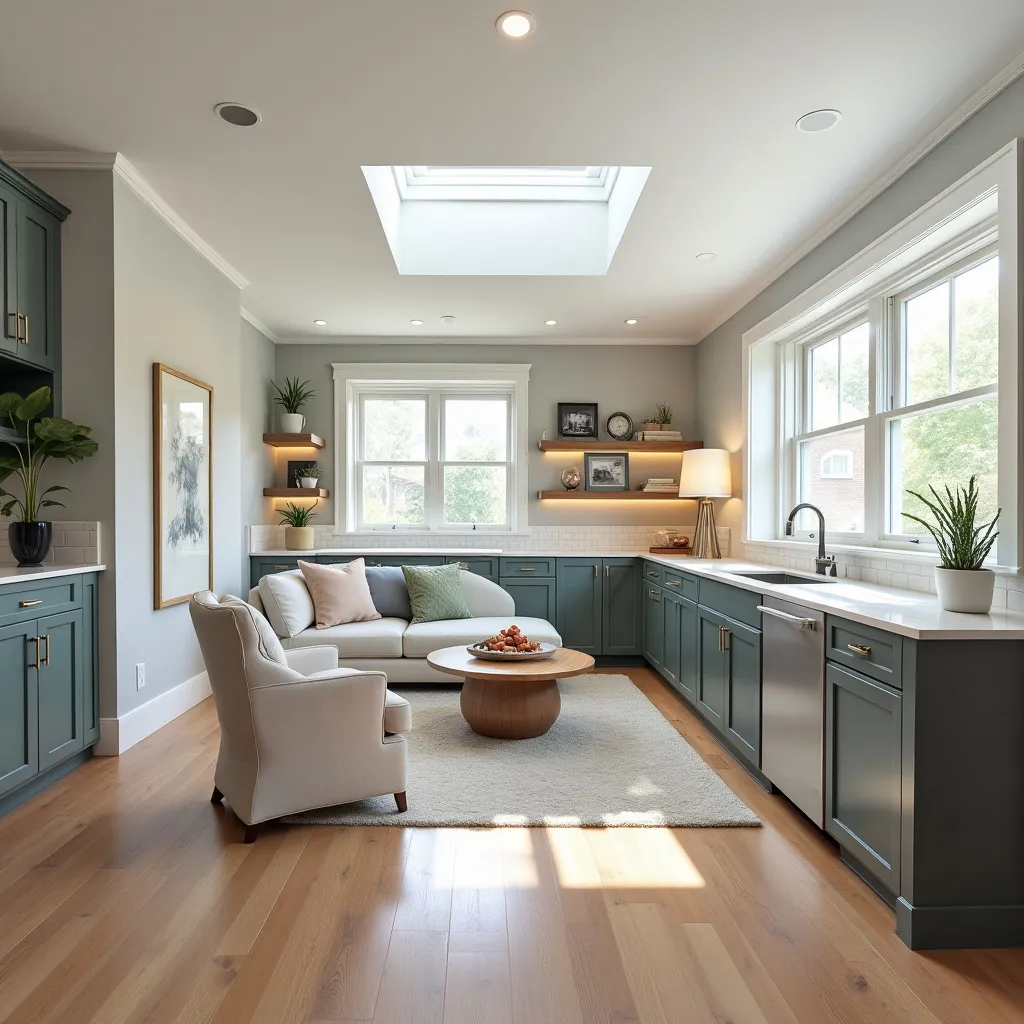
What Are Your Aspirations for Your Home Renovation?
What goals does one have in mind when launching a home remodeling project? Individuals often seek to enhance functionality, improve aesthetics, or maximize property value. Some may desire a more open layout to support social interactions, while others aim to construct a restful retreat within their home. Specific objectives can include modernizing outdated spaces, employing energy-efficient elements, or expanding living areas to accommodate growing families.
Furthermore, a homeowner might want to personalize their environment to showcase their aesthetic and preferences, making it a true expression of themselves. Safety and accessibility can also be significant considerations, especially for those with elderly relatives or physical limitations. Ultimately, the objectives of a renovation project serve as the foundation for decision-making, directing choices in aesthetics, finishes, and overall implementation. Recognizing these ambitions is essential for attaining a successful renovation that satisfies both functional requirements and individual preferences.
How to Budget for Your Home Renovation Project
Budgeting for a home remodeling project requires thorough planning and attention. It is crucial to access now establish an overall budget, rank necessary improvements, and allow for unexpected costs that may occur. By approaching the budgeting procedure methodically, homeowners can achieve their goals without monetary strain.
Establish Your Overall Budget
Before beginning a home remodeling project, it is essential to establish an total budget that aligns with both financial constraints and renovation goals. Property owners should begin by assessing their finances to understand how much they can realistically allocate for the project. This encompasses evaluating savings, income, and potential financing options. It is also prudent to factor in unexpected expenses, typically 10-20% of the total budget, to address unforeseen issues that may occur during remodeling. Additionally, property owners should research the costs associated with various materials and labor in their area, enabling informed decisions. By establishing a clear budget, homeowners can keep focus on their remodeling goals and avoid the stress of overspending.
Prioritize Critical Upgrades
After establishing a firm budget, homeowners can start identifying the upgrades that can deliver the most advantage and functionality in their space. To prioritize key upgrades, homeowners must examine areas needing immediate attention, like outdated plumbing or electrical wiring, which may pose safety hazards. Renovating kitchens and bathrooms usually generates high returns on investment; therefore, dedicating funds to modernize these spaces is usually a smart choice. In addition, increasing energy efficiency with better windows, insulation, or appliances can reduce costs over time. Lifestyle needs should also be considered by homeowners, such as providing open areas for family gatherings or designated workspaces. Homeowners maximize remodeling impact and keep within budget by thoughtfully choosing upgrades that fit both present demands and future aspirations.
Account For Unexpected Costs
Planning ahead for unforeseen expenses is essential for homeowners beginning a renovation project. Financial plans can grow tight when unforeseen issues arise, such as structural damage, aging electrical systems, or concealed moisture issues. Professionals advise reserving an extra 10 to 20 % of the total budget to account for these contingencies. Property owners should also think about potential price fluctuations in supplies and workmanship. Investigating local contractors and getting multiple estimates can deliver a clearer picture of anticipated costs. Additionally, keeping open communication with construction professionals throughout the project enables you to catch and fix issues quickly. By proactively accounting for these unforeseen expenses, property owners can ensure that their remodeling project remains on schedule, ultimately transforming their space without budget stress.
Which Style Approaches Match Your Home Makeover?
In the realm of home remodeling, design styles serve as an crucial role in shaping the overall aesthetic. Homeowners can choose from a variety of choices, such as modern minimalist aesthetics, cozy rustic charm, and elegant traditional touches. Each approach contributes its own distinctive character, affecting both the atmosphere and functionality of the space.
Modern Clean-lined Artistic Vision
Contemporary minimalist aesthetics present an exhilarating approach to residential renovation, characterized by straightforwardness and functionality. This aesthetic approach highlights spacious areas, straight edges, and a limited color palette, commonly featuring neutral tones that promote a sense of calm. Furnishings and accessories are deliberately selected, yielding a clean environment that boosts overall harmony. Natural materials, including wood and stone, frequently serve in a significant role, lending warmth while maintaining a sleek aesthetic. Light sources is thoughtfully planned, often utilizing large windows to enhance daylight. In a contemporary streamlined home, each detail has a function, contributing to a cohesive look that reflects the homeowner's values of distinctness and efficiency. This aesthetic encourages tranquility, making it suitable for contemporary everyday life.
Cozy Rustic Charm
Embracing the core of comfort and ease, cozy rustic charm stands as a favored choice for homeowners seeking a more welcoming atmosphere. This decor approach often includes natural materials, such as reclaimed wood, stone, and soft textiles, creating an natural feel. Earthy color palettes—think warm browns, soft greens, and muted reds—strengthen the connection to nature.
Key components comprise exposed beams, large furniture pieces, and classic embellishments, which generate a nostalgic atmosphere. Fireplaces function as key features, gathering families together in a easygoing space. Additionally, blending up-to-date facilities with rustic characteristics allows functionality without compromising charm. Overall, cozy rustic charm refashions spaces into tranquil retreats, making it an compelling choice for those intending to infuse their homes with soul and coziness.
Polished Time-honored Accents
While many homeowners seek relaxation through rustic designs, others perceive beauty in the cultivated elegance of traditional styles. This design approach emphasizes classic elements such as ornate moldings, period furniture, and vibrant color palettes. Traditional spaces often exhibit mirrored plans and formal arrangements, fostering a sense of order and grace. Incorporating historical or vintage pieces can enhance genuineness, while sumptuous textiles like silk and velvet add layers and surface interest. Architectural details, such as coffered ceilings and wood paneling, add an overall sense of grandeur. Homeowners embracing this style often favor warm, comfortable spaces that reflect their heritage or personal history, making traditional design a lasting choice for those hoping to capture a sense of elegance in their remodeled homes.
How to Select the Best Builders for Your Home Remodeling?
Determining the right specialists for home remodeling can greatly impact the success of a project. Homeowners should start by studying regional professionals and validating their qualifications, including credentials and liability coverage. Reading online reviews and gathering endorsements from friends or family can furnish valuable insights into a contractor's reputation.
Next, it's essential to speak with several prospects to assess their ability to communicate and professional demeanor. Homeowners should request detailed estimates and schedules to ensure transparency. A good builder should be prepared to respond to inquiries and offer a clear understanding of the project scope.
Additionally, reviewing past undertakings or galleries can benefit homeowners assess a contractor's technique and quality of work. Finally, faith and mutual understanding are important; a contractor's temperament and cooperation to team up can greatly determine the renovation experience. By adopting these steps, homeowners can render informed determinations that align with their aspiration for their dream home.
What Key Advice Should You Follow for a Prosperous Home Remodeling?
How can property owners guarantee a successful home renovation undertaking? First, creating a well-defined plan is fundamental. Homeowners should outline their goals and preferences, ensuring all stakeholders comprehend the intended result. Next, setting a practical financial plan helps mitigate unexpected expenses. It's crucial to include a reserve fund for unforeseen complications.
Effective communication with contractors is vital; homeowners must convey their requirements clearly. Frequent updates and on-site inspections can facilitate this process. Additionally, studying products and trends will enable homeowners to make knowledgeable decisions, balancing visual appeal and practicality.
To conclude, securing necessary licenses ensures compliance with local laws, preventing future issues. By implementing these tips, homeowners can navigate the challenges of renovation, ultimately transforming their area into a ideal home.
How to Maintain Your Recently Updated Home?
Homeowners who have invested time and resources in a home remodel should focus on continuous care to preserve their newly transformed space. Regular cleaning is essential; applying appropriate products to different surfaces will prevent wear and tear. For example, hardwood floors require special cleaners that protect the finish, while countertops may demand tailored solutions to avoid stains.
Additionally, residents should conduct seasonal inspections to address any problems early. This comprises inspecting leaks, servicing HVAC systems, and ensuring outdoor drainage is working properly. Regular maintenance of appliances and fixtures will also extend their lifespan.
Furthermore, it is beneficial to set up a maintenance schedule that covers tasks like refreshing paint or applying sealant to surfaces as needed. By devoting effort to these tasks, homeowners can sustain the beauty and usability of their remodeled spaces, ultimately enhancing their property’s value and comfort for many years forward.
Regularly Questioned FAQs
What Timeframe Should You Expect for a Standard Home Renovation Project?
A typical home remodeling project may take anywhere from a few weeks to several months, depending on the scope, sophistication, and proportions of the remodel. Each project differs based on particular requirements and unforeseen challenges.
Which Licenses Do You Need for Home Renovation?
Commonly, certifications needed for home renovation include building, electrical, plumbing, and mechanical permits. Local ordinances may fluctuate, so it's necessary for homeowners to contact their municipality to confirm adherence with all necessary requirements and standards.
What Methods Can Help Me to Minimize Disturbances Throughout Remodeling?
To minimize disruptions during remodeling, one can build transparent communication with contractors, set specific work hours, designate a separate living area, and maintain a tidy workspace. Preparing in advance helps ensure a smoother remodeling process.
Which Common Errors Should Homeowners Avoid When Remodeling?
Common mistakes to prevent in home renovation encompass underestimating budgets, neglecting permits, skipping thorough planning, choosing the incorrect materials, overlooking timelines, and neglecting to engage in effective communication with contractors, which can cause expensive delays and unsatisfactory outcomes.
What Strategies Can Help Me Tackle Sudden Costs During Renovation?
To manage unexpected expenses during remodeling, one should maintain a emergency budget, talk openly with builders, focus on necessary improvements, and stay flexible in choices. This technique helps control finances and eases stress throughout the process.
Report this page